Shipping a vehicle internationally involves more than arranging transport and paying delivery charges. One of the most important things to consider is protecting your vehicle against unexpected damage, theft, and other risks during the journey. If you are planning Car shipping from UK to Turkey, understanding the role of insurance can help you make informed decisions and avoid costly surprises.
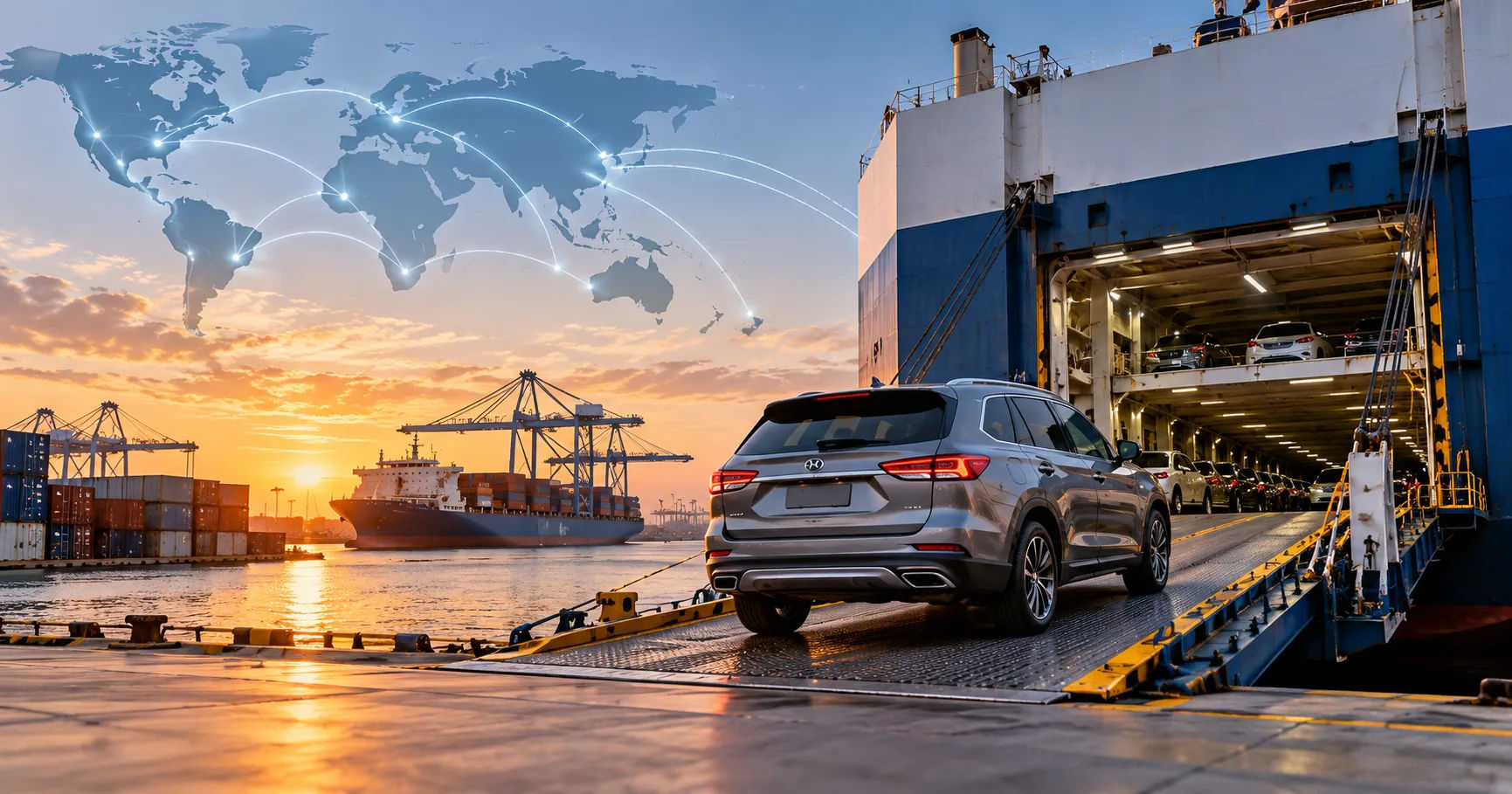
Whether you are relocating to Turkey, purchasing a vehicle in the UK, or sending a car to a family member, insurance should be an essential part of your shipping plan. International vehicle transport may involve road transportation, ferry crossings, sea freight, customs inspections, and handling at ports. Each stage can create different risks.
This comprehensive guide explains whether car shipping insurance is necessary, what protection it provides, which types of coverage are available, and how to choose the right policy for your vehicle. It also explores common exclusions, insurance costs, documentation requirements, and practical steps to protect your investment.
Is Insurance Necessary for Car Shipping from the UK to Turkey?
Insurance is strongly recommended whenever you transport a vehicle internationally. Whether it is legally required in every situation depends on the transport arrangement, the type of coverage involved, and the applicable legal requirements.
For Car shipping from UK to Turkey, you should distinguish between insurance that protects the vehicle during transportation and insurance that allows you to drive it legally once it reaches Turkey.
These are two different forms of protection.
Transport insurance covers specified risks while your vehicle is being moved by a shipping company or logistics provider. Motor insurance, on the other hand, provides protection associated with driving the vehicle on public roads, subject to the terms of the policy.
A vehicle may be covered during transportation but not insured for road use after delivery. Likewise, ordinary motor insurance may not cover damage that occurs while the car is being loaded onto a vessel or transported internationally.
Before booking your shipment, ask the shipping company which insurance arrangements apply to your vehicle and whether additional coverage is necessary.
Why Shipping Insurance Matters
Cars are valuable assets, and even relatively minor damage can be expensive to repair. A damaged bumper, broken mirror, scratched paintwork, or cracked windscreen may result in unexpected costs.
International transportation can involve several parties, including vehicle collection companies, port operators, shipping lines, customs authorities, and destination agents. Your vehicle may be handled multiple times before reaching its destination.
Insurance can reduce your financial exposure when a covered incident occurs. Without suitable protection, you may need to pay repair costs yourself or pursue a lengthy claim against a responsible transport provider.
The exact protection available depends on the policy wording, exclusions, limits, and responsibilities of the parties involved.
What Does Car Shipping Insurance Cover?
Transport insurance can offer different levels of protection. Understanding these options is essential when comparing shipping companies and insurance providers.
Damage During Transportation
One of the main reasons to arrange shipping insurance is to protect against physical damage during transit.
Depending on the policy, covered incidents may include damage caused by an accident involving the transport vehicle, certain loading or unloading incidents, or other specified transportation risks.
However, not every policy covers every type of damage. Some policies exclude minor scratches, dents, mechanical problems, or damage caused by improper preparation.
Ask the insurer to explain exactly which incidents are covered and whether protection applies throughout the complete journey from the collection address in the UK to the delivery point in Turkey.
Theft and Loss
Vehicle theft is another risk to consider, particularly when a car passes through multiple storage facilities or transport locations.
Some policies cover theft of the entire vehicle, while others may provide limited protection for particular circumstances. Coverage for personal belongings left inside the vehicle may be excluded.
If your car is valuable, confirm whether the insurance covers its full agreed or insured value. You should also ask what evidence would be required if the vehicle were stolen or failed to arrive.
Damage During Loading and Unloading
Loading and unloading can be important stages of the shipping process. Vehicles may be driven onto a vessel, secured inside a container, or moved using specialised equipment.
Accidents during these operations can cause scratches, broken components, or more serious damage.
Some transport policies include loading and unloading within their insured operations. Others may contain restrictions or exclusions.
For this reason, check whether the policy covers the entire handling process rather than only the period when the vehicle is travelling.
Damage Caused by Weather or Sea Conditions
Sea freight may expose vehicles to moisture, salt air, and other environmental conditions. Severe weather can also affect transportation operations.
Whether a policy covers damage related to water, corrosion, or adverse weather depends on its wording. Ordinary exposure to salt air or gradual deterioration may not qualify as an insured event.
Ask the insurer whether the policy covers accidental water damage and whether any special requirements apply to vehicles transported by sea.
Types of Insurance Available for International Car Shipping
When arranging Car shipping from UK to Turkey, you may encounter several insurance options. Their names and conditions can vary between providers, so focus on the actual coverage rather than the product label.
Marine Cargo Insurance
Marine cargo insurance is commonly used for goods transported by sea. Depending on the policy, it can protect a vehicle against specified risks during a sea freight journey.
Despite its name, this insurance is not automatically limited to damage caused by the sea. Some policies cover a broader range of transportation risks, while others provide narrower protection.
Check whether the policy includes port handling, loading, unloading, and any road transportation connected to the shipment.
You should also establish whether coverage begins when the vehicle is collected in the UK or only when it is loaded onto the vessel.
All-Risks Transit Insurance
An all-risks policy generally provides broader protection against accidental physical loss or damage than a policy covering only named events.
However, the term does not mean that every possible loss is covered. Exclusions may apply to wear and tear, mechanical breakdown, inadequate packaging or preparation, pre-existing damage, and other circumstances.
Read the exclusions carefully and ask the provider to explain any unclear wording before purchasing the policy.
Third-Party Liability Coverage
Third-party liability coverage is different from insurance that protects your own vehicle.
It may address certain legal liabilities arising from damage or injury caused to other people or their property, depending on the policy and circumstances.
A shipping company's liability insurance does not necessarily provide comprehensive protection for your car. The company's legal responsibility may also be limited by the contract, applicable law, or international transport rules.
If you want compensation for damage to your own vehicle, confirm that your policy specifically covers that interest.
Temporary Motor Insurance in Turkey
Transport insurance does not automatically allow you to drive your vehicle on Turkish roads.
If you intend to use the car in Turkey, you must check the applicable registration, customs, vehicle-use, and motor insurance requirements. Depending on your circumstances, valid motor insurance recognised in Turkey may be required before the vehicle can be driven.
The rules can differ according to whether you are a resident, a temporary visitor, or importing the vehicle permanently.
Confirm the requirements with the relevant Turkish authorities or a qualified insurance provider before the vehicle arrives.
How Much Does Car Shipping Insurance Cost?
The cost of insurance depends on several factors. There is no single price that applies to every vehicle or shipping arrangement.
Vehicle Value
The value of your vehicle is usually an important factor in calculating the premium. A more expensive car may require a higher level of insurance protection.
For example, insuring a luxury vehicle may cost more than insuring an older family car because the potential financial loss is greater.
The declared value should be accurate and supported by suitable evidence, such as purchase documents, valuation reports, or other records accepted by the insurer.
Shipping Method
The shipping method may affect the available coverage and the premium.
Container shipping places the vehicle inside a shipping container, while roll-on/roll-off shipping involves driving the vehicle onto and off a specialised vessel.
Neither method is automatically risk-free. The insurer may consider the handling process, route, transport arrangements, and other risk factors when calculating the cost.
Ask whether the quotation covers the complete route, including collection, port handling, sea transport, and delivery in Turkey.
Insurance Excess and Deductibles
The excess, also called a deductible in some insurance markets, is the amount you may have to pay towards an eligible claim.
A policy with a lower premium may have a higher excess. This means that you could still face substantial expenses if damage occurs.
Compare the premium alongside the excess, coverage limits, exclusions, and claim conditions instead of choosing the cheapest policy automatically.
How to Obtain an Accurate Quote
To receive a useful insurance quotation, provide the insurer with the following information:
-
Vehicle make, model, year, and registration details.
-
Estimated market value and supporting documentation.
-
Collection address and final destination.
-
Planned shipping method and transport route.
-
Any existing damage or unusual vehicle conditions.
-
Required coverage period and desired level of protection.
Request written confirmation of the premium, insured value, excess, exclusions, and coverage dates before proceeding.
What Is Not Usually Covered by Shipping Insurance?
Understanding exclusions is just as important as knowing what a policy covers.
Pre-Existing Damage
Insurance is generally intended to protect against eligible losses occurring during the insured period, not damage that existed before coverage began.
If your vehicle already has scratches, dents, cracked lights, or other defects, document them before collection.
A clear inspection report can help distinguish previous damage from damage that may have occurred during transportation.
Mechanical and Electrical Failures
Ordinary mechanical breakdowns may not be covered by transit insurance.
For example, an engine problem caused by an existing defect may not qualify for compensation simply because it becomes apparent after the vehicle arrives in Turkey.
If mechanical protection is important, ask whether separate coverage is available and whether it applies to your specific circumstances.
Personal Belongings Inside the Car
Luggage, electronics, documents, tools, and other personal items may not be included in a vehicle shipping policy.
Some transport providers prohibit personal belongings inside vehicles because of security, customs, weight, or safety requirements.
Check the shipping company's rules before leaving anything inside the car.
Delays and Indirect Financial Losses
A shipping policy may cover physical damage without covering the financial consequences of a delayed delivery.
For example, the cost of alternative transport, missed appointments, accommodation, or lost business income may not be insured.
Ask whether delay-related losses are excluded and consider keeping an emergency budget for unexpected changes to the shipping schedule.
How to Choose a Reliable Car Shipping Company
The quality of the transport provider can affect your overall shipping experience. Insurance is important, but it should be considered alongside the company's reliability and handling procedures.
Check Experience With UK-to-Turkey Shipments
Choose a provider that understands international vehicle transport between the UK and Turkey.
An experienced company should be able to explain the shipping process, expected documentation, customs arrangements, delivery options, and insurance requirements.
Ask whether the company has experience transporting your type of vehicle and whether it uses subcontractors for any part of the journey.
Request Proof of Insurance
Do not rely solely on verbal assurances that your vehicle is insured.
Request the relevant insurance certificate, policy schedule, or written confirmation from the insurer. Check the insured party, covered vehicle, policy dates, geographical scope, and maximum compensation.
If the shipping company offers insurance as part of its service, ask whether the policy protects your vehicle directly or only covers the company's legal liability.
Compare Written Quotations
Obtain quotations from more than one provider when possible.
A low quotation may exclude collection, customs handling, insurance, port charges, or final delivery. Another quotation may include these services in the total price.
Compare the complete cost and coverage rather than looking at the headline shipping price alone.
Understand the Claims Process
Before booking, ask how to report damage and how quickly you must submit a claim.
Find out which documents are required, whether an independent inspection is necessary, and how the insurer determines compensation.
Knowing the process in advance can save time if something goes wrong.
Documents and Preparations Before Shipping Your Car
Proper documentation can help prevent disputes and support an insurance claim if damage occurs.
Prepare the Vehicle Inspection Report
Take clear photographs of the car from all sides before collection. Photograph the roof, wheels, bumpers, windscreen, interior, and any existing damage.
Record the vehicle's mileage and note its general condition. Ask the collection driver or shipping representative to complete and sign an inspection report.
Keep copies of the report and photographs until the shipment is completed and any claim deadlines have passed.
Keep Ownership and Shipping Documents
You may need documents such as the vehicle registration certificate, proof of ownership, identification, shipping booking confirmation, and transport documents.
The exact requirements depend on the shipping method, customs procedure, ownership arrangements, and import status.
Ask the shipping provider for a written checklist before the collection date.
Check Customs and Import Requirements
Insurance does not remove the need to comply with customs and vehicle import regulations.
Before arranging Car shipping from UK to Turkey, determine whether your shipment is a temporary movement or a permanent import. Customs duties, taxes, eligibility conditions, and registration requirements may differ.
Confirm the rules with Turkish customs authorities or a qualified customs agent. Do not assume that a vehicle can be imported permanently simply because a shipping company agrees to transport it.
Remove Unnecessary Items
Remove personal belongings unless the transport provider has explicitly confirmed that they are permitted.
Check the fuel-level instructions and any requirements concerning keys, alarms, batteries, or vehicle operability. Follow the shipping company's preparation guidance carefully.
What Should You Do if Your Car Is Damaged During Shipping?
Even with careful preparation, damage can occur. Taking the right steps can help protect your position.
First, inspect the vehicle as soon as you are permitted to do so after delivery. Compare its condition with the photographs and inspection report prepared before shipping.
If you discover damage, photograph it clearly and notify the shipping company and insurer promptly. Follow the reporting deadlines stated in the policy and transport contract.
Avoid signing a document that incorrectly states that the vehicle arrived in good condition. If you must acknowledge delivery, record any visible damage or concerns in writing, where possible.
Keep copies of all correspondence, inspection reports, repair estimates, invoices, and shipping documents.
Do not authorise expensive repairs before checking whether the insurer requires an inspection or prior approval. Emergency steps to prevent further damage may be appropriate, but you should document the circumstances and retain receipts.
The insurer will assess the claim according to the policy terms, available evidence, and applicable rules. Compensation is not guaranteed simply because damage occurred during the shipping period.
Common Mistakes to Avoid When Arranging Shipping Insurance
One common mistake is assuming that the shipping company's basic liability automatically covers the full value of the vehicle. Liability coverage and vehicle insurance are not necessarily the same.
Another mistake is failing to declare the correct vehicle value. An inaccurate declaration can create problems when a claim is assessed and may affect the amount payable.
Some owners also overlook the insurance dates. If collection takes place before the policy starts, or delivery occurs after coverage expires, part of the journey may be uninsured.
Finally, never ignore exclusions or claim deadlines. A policy that looks attractive because of its price may offer limited protection for the risks that matter most to you.
Careful preparation and written confirmation can help you avoid these problems.
Conclusion
So, does Car shipping from UK to Turkey need insurance? In practical terms, insurance is strongly recommended because international vehicle transportation involves multiple stages, handling procedures, and potential risks. Whether a particular form of insurance is legally mandatory depends on the circumstances, but relying on assumptions can leave you financially exposed.
The most suitable approach is to understand the difference between transit insurance, the shipping company's liability coverage, and motor insurance for driving in Turkey. Each serves a different purpose, and one should not be assumed to replace another.
Before booking your shipment, check the vehicle's insured value, the risks covered, policy exclusions, excess, geographical limits, and coverage dates. Request written proof of insurance and confirm that protection applies to every relevant stage of the journey.
You should also prepare your vehicle carefully, photograph its condition, retain ownership and shipping documents, and confirm the applicable customs and import requirements. These steps can help make the process more organised and reduce the likelihood of disputes.
Ultimately, Car shipping from UK to Turkey becomes easier to manage when you combine a reliable transport provider with suitable insurance and proper documentation. Taking time to review these details before your vehicle leaves the UK can help protect your investment and provide greater peace of mind throughout the shipping process.
About the Author

